Economy
In reply to the discussion: Weekend Economists Volvemos a Puerto Rico May 22-25, 2015 [View all]Demeter
(85,373 posts)I'M TRYING TO IMAGINE RICHARD (NIXON) BURIED IN A PARKING LOT IN DOWNTOWN LA....
OR HENRY (KISSINGER)....TOO BAD HE ISN'T DEAD YET
http://www.theguardian.com/uk-news/2015/may/22/king-henry-i-lies-under-reading-car-park-uk-archaeologists
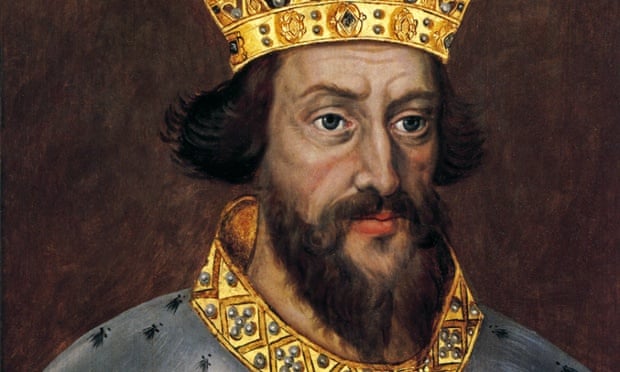
After the 2015 reburial of King Richard III, experts are suggesting the remains of William the Conqueror’s son, who died in 1135, lie in Reading...The remains of another English king could be lurking underneath a 21st-century car park, archaeologists and historians have said. After the well-publicised exhumation in 2012 of Richard III from beneath a council lot in Leicester, attention has shifted to the possibility that Henry I, the youngest son of William the Conqueror, could be lying in similar circumstances in Reading.
Henry I ruled England for 35 years between 1100 and 1135 and is remembered by historians as an “energetic, decisive and occasionally cruel ruler” who allegedly died after eating too many lampreys – a kind of jawless fish. He was interred in a sarcophagus in Reading abbey, which was largely destroyed during the 16th-century dissolution of the monasteries.
Now a team that includes Philippa Langley, who led the search for Richard III’s remains, and Reading-based husband and wife historians John and Lindsay Mullaney, are spearheading a project to uncover the full extent of the abbey using radar to find out where Henry I’s remains might be – possibly under a playground or a car park. The project has won the support of Historic England, the public body, which has agreed to lend conservation expertise and help with cutting-edge geophysical research. Work starts in 2016...
If remains were dug up, identification could be tough, said Dr Turi King, lecturer in genetics and archaeology at the University of Leicester, who carried out the DNA testing on Richard III. She said the Henry I team would face a tougher challenge verifying his remains, mainly because they will have to trace his ancestry back a further 350 years before Richard III, to 1135 rather than 1485. “We were quite lucky with Richard because of the genealogical evidence, but the further back you go the less reliable it becomes,” she said.
They knew accurately how old Richard III was when he died, so they were able to check the age of his skeleton matched the age they knew about, whereas histories of Henry I are ambiguous about his date of birth, suggesting 1068 or 1069.
Edit history
Recommendations
0 members have recommended this reply (displayed in chronological order): = new reply since forum marked as read
Highlight:
NoneDon't highlight anything
5 newestHighlight 5 most recent replies
RecommendedHighlight replies with 5 or more recommendations
= new reply since forum marked as read
Highlight:
NoneDon't highlight anything
5 newestHighlight 5 most recent replies
RecommendedHighlight replies with 5 or more recommendations